
Mastering Sports Broadcasting: Techniques for Engaging Audiences
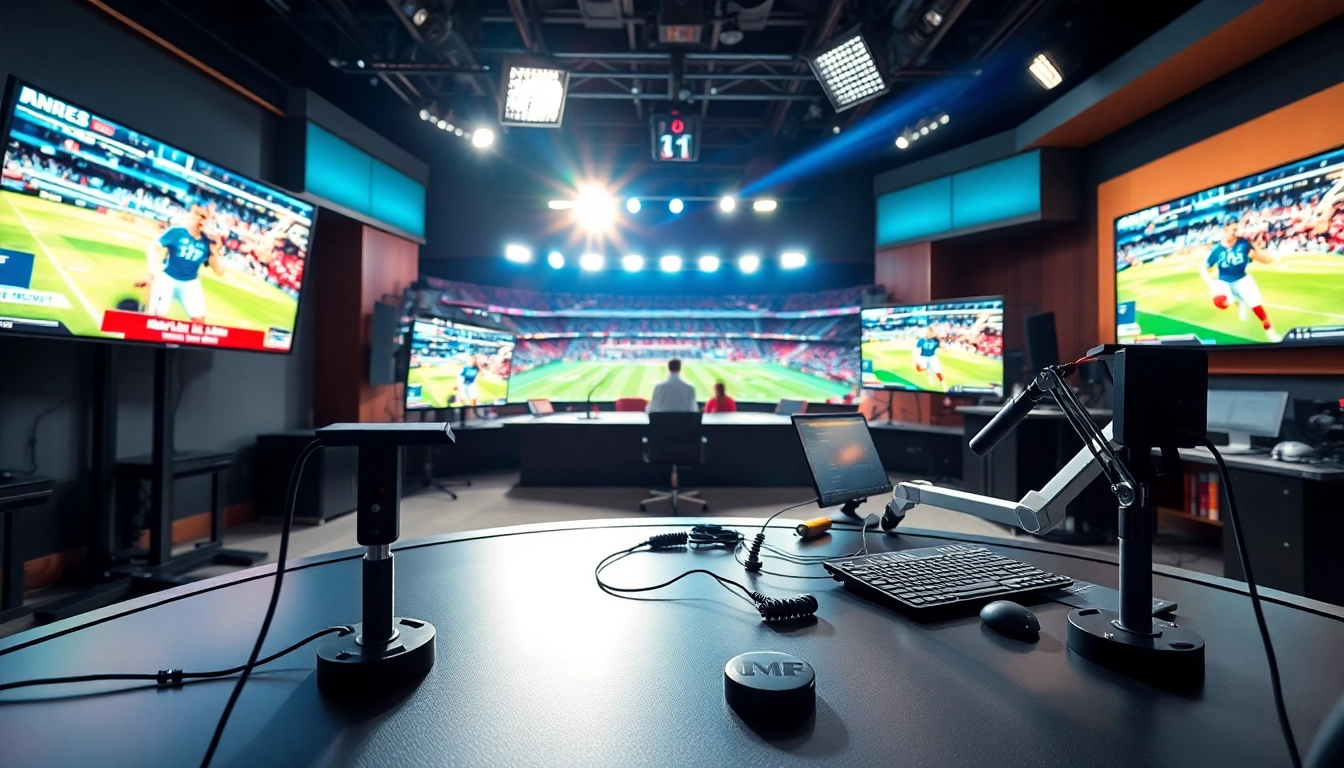
Introduction to Sports Broadcasting
Sports broadcasting has become a crucial component of the global media landscape, playing an essential role in how fans engage with their favorite sports. From traditional television broadcasts to online streaming platforms, the industry has evolved significantly over the years. This article delves into the myriad facets of Sports Broadcasting, exploring its core principles, key elements for effective delivery, challenges faced by broadcasters, and best practices to ensure engaging content for audiences.
Understanding the Basics of Sports Broadcasting
At its core, sports broadcasting involves the transmission of live or recorded sporting events to an audience. This can include commentary, analysis, and visual presentation aimed at enhancing viewer experience. The medium primarily utilizes television, radio, and digital platforms to reach fans across various demographics. An effective broadcast not only reports on events but also provides context, perspective, and storytelling that captivates audiences.
Historical Evolution of Sports Broadcasting
The journey of sports broadcasting began in the early 20th century with radio broadcasts of baseball games. As technology evolved, television became the dominant medium, revolutionizing how sports were consumed. Key moments, like the first televised boxing match in 1939 and the iconic 1980 Miracle on Ice game, showcased the thrilling potential of live sports. The rise of cable networks and the internet led to even more accessibility, allowing fans to engage with a variety of sports content from anywhere in the world.
Importance of Sports Broadcasting in Today’s Media
Today, sports broadcasting serves not just as a means of entertainment, but as a critical platform for branding, community building, and cultural expression. It provides valuable exposure for athletes and teams, driving merchandise sales and sponsorships. Moreover, sporting events often become cultural touchstones, with moments captured and replayed across multiple platforms. As viewer habits shift toward digital consumption, the role of sports broadcasting continues to expand, influencing how audiences experience and interact with sports.
Key Elements of Effective Sports Broadcasting
To thrive in the competitive world of sports broadcasting, several key elements must be at the forefront of any broadcast strategy.
Essential Equipment for Sports Broadcasting
The backbone of any successful sports broadcast is high-quality equipment. Essential tools include cameras capable of capturing high-definition video, microphones designed for clarity against background noise, and switchers that allow for seamless transitions between video feeds. Additionally, software for graphics and data overlay enhances the viewer experience by providing real-time statistics and analysis, which can elevate the overall production quality.
Techniques for Delivering Compelling Commentary
Commentary is a pivotal component of sports broadcasting, shaping how audiences interpret and engage with live events. Effective commentators should possess a mix of deep knowledge, engaging storytelling, and an ability to maintain energy and enthusiasm throughout the event. Using techniques such as the “play-by-play” method offers immediate event descriptions, while “color commentary” provides analysis and insights that enrich the viewers’ understanding of the game.
The Role of Visuals in Sports Broadcasting
Visual elements are vital in captivating audiences and conveying the action on-screen. Dynamic camera angles, instant replays, and graphical overlays enhance storytelling by providing context and emphasizing emotional moments within the broadcast. For instance, aerial views can provide a unique perspective of player formations during a game, thereby enriching the overall narrative that the commentary builds. Integrating these visual elements thoughtfully can significantly amplify viewer engagement.
Challenges in Sports Broadcasting
While broadcasting sports can be rewarding, it also presents various challenges that professionals must navigate effectively.
Navigating Real-time Actions and Commentary
One of the primary challenges in sports broadcasting is delivering commentary that matches the fast-paced nature of live events. Broadcasters must be prepared to articulate their thoughts quickly and accurately, all while managing the excitement of the game. Developing a strategy that includes practice and familiarity with the sport improves commentators’ responsiveness and effectiveness in delivering information while maintaining the energy that fans expect.
Dealing with Technical Difficulties During Broadcasts
Technical difficulties are an unfortunate reality in live broadcasts. From equipment failures to internet outages, these issues can disrupt the viewing experience. A robust backup plan, including redundant systems and alternate communication methods, can minimize these challenges. Additionally, training team members to manage emergency protocols can ensure the broadcast continues smoothly despite unforeseen issues.
Addressing Viewer Engagement and Retention
In an era marked by distractions, capturing and retaining viewer attention is increasingly challenging. Broadcasters must identify their target audience and tailor content to their preferences. Utilizing social media interactions, live polls, and audience-driven segments can significantly boost engagement levels. Generating discussions around the events during and after the broadcast also fosters community and keeps viewers coming back for more.
Best Practices for Sports Broadcasting
To ensure that broadcasts resonate with audiences, broadcasters can implement several best practices.
Crafting Engaging Storylines in Sports Commentary
Storytelling is central to capturing the hearts of viewers. Crafting narrative arcs around players, teams, and specific events not only enhances emotional investment but also creates memorable experiences. Broadcasters should weave personal stories and statistical analysis seamlessly into their commentary. This approach influences how fans connect with the teams they support, often extending their loyalty beyond the games themselves.
Utilizing Social Media to Enhance Broadcasts
Social media platforms offer unique opportunities to expand reach and create real-time interactions with fans. Broadcasters can leverage these platforms to engage audiences during the event by sharing behind-the-scenes content, live tweets, and audience polls. Creating a visual identity across platforms enhances recognition and draws in viewers, signaling the brand value of the broadcast.
Maintaining Professionalism and Ethics on Air
Professionalism in sports broadcasting is paramount. Broadcasters are expected to uphold journalistic integrity, ensuring accuracy and fairness in their commentary. Disparaging remarks or biased opinions can alienate viewers and damage reputations. Training and awareness around diversity and sensitivity can aid broadcasters in navigating this delicate balance, fostering a respectful environment in which all fans can feel welcomed.
Future Trends in Sports Broadcasting
The landscape of sports broadcasting continues to evolve, prompting professionals to adapt to emerging trends to stay relevant.
The Impact of Streaming Services on Sports Broadcasting
Streaming services have transformed how sports content is delivered and consumed. With the rise of platforms specializing in on-demand sports content, traditional broadcasters must innovate to retain viewers. These services offer flexibility, allowing fans to watch on multiple devices and at any time, fundamentally changing the viewer experience. Broadcasters need to consider these changes and potentially partner with streaming services to amplify their reach.
Innovations in Audience Interaction and Engagement
Future broadcasts are likely to feature greater audience interactivity, utilizing augmented reality and virtual reality to enhance viewer experiences. These technologies can create immersive environments, allowing viewers to explore and engage with content in new ways. Engaging audiences through interactive features, such as choosing camera angles or influencing commentary, can significantly enhance viewer satisfaction and loyalty.
The Role of Technology in Shaping Future Broadcasts
Emerging technologies, such as artificial intelligence and machine learning, are set to revolutionize sports broadcasting. AI can help analyze vast amounts of data, generating insights that can enhance commentary and viewer experience. Additionally, automated production processes could streamline operations, making broadcasts more efficient and cost-effective. Staying ahead of these technological advancements will be key for broadcasters looking to maintain a competitive edge.
Frequently Asked Questions About Sports Broadcasting
What qualifications do sports broadcasters need?
Sports broadcasters typically require a degree in communications or journalism, alongside practical experience in broadcasting or journalism. Specialized training in sports commentary also adds value.
How do broadcasters prepare for a live sports event?
Preparation involves researching teams and players, writing scripts or notes, rehearsing commentary, and planning for potential scenarios. Ensuring a thorough understanding of the sport is essential.
What technology is essential for a successful sports broadcast?
Key technology includes high-definition cameras, reliable microphones, broadcast software, and graphical overlay systems. A robust internet connection is also essential for live streaming.
How can sports broadcasters engage with their audience?
Engagement can be achieved through social media interaction, live polls, and responding to audience comments. Creating communities around sports broadcasts fosters deeper connections with viewers.
What are the ethical considerations in sports broadcasting?
Broadcasters must maintain integrity, ensuring accurate reporting and fairness. Avoiding bias and disparaging remarks helps create a professional and inclusive environment for all fans.